
Most products do not fail because they are bad. They fail because they are forgettable. Teams invest heavily in launch, acquisition and feature development, only to watch the user curve flatten when early curiosity fades. It is rarely dramatic. It usually looks like gradual quietening. Users arrive, explore, and do not return often enough to form habit.
When this happens, the instinct is to add more. More features. More content. More prompts. It feels like progress, but it often increases complexity without strengthening the behaviour that actually matters. Retention is not a feature volume problem. It is a value comprehension and repetition problem.
After years working in sports tech and betting, one pattern holds consistently. Products retain when they make the essential experience effortless to repeat. Not exciting. Not content-rich. Repeatable.
The real reasons users leave
There are three behaviours that consistently drive churn. They are simple to describe, but difficult to see from inside the product.
1. The first session does not form understanding
If a new user cannot experience a clear benefit inside the first minutes of use, return becomes optional. Products often demonstrate capability, but not outcome. They introduce features, but not meaning. Users do not come back for what might happen later. They return because something happened now.
2. The core loop is heavier than it should be
Every product has one action it wants repeated. Tracking a bet. Checking a score. Building a lineup. Recording a workout. If that action requires too many taps, too much navigation or too much interpretation, the return rate falls quietly. Most churn is not a reaction. It is erosion caused by effort.
3. There is nothing pulling the user into tomorrow
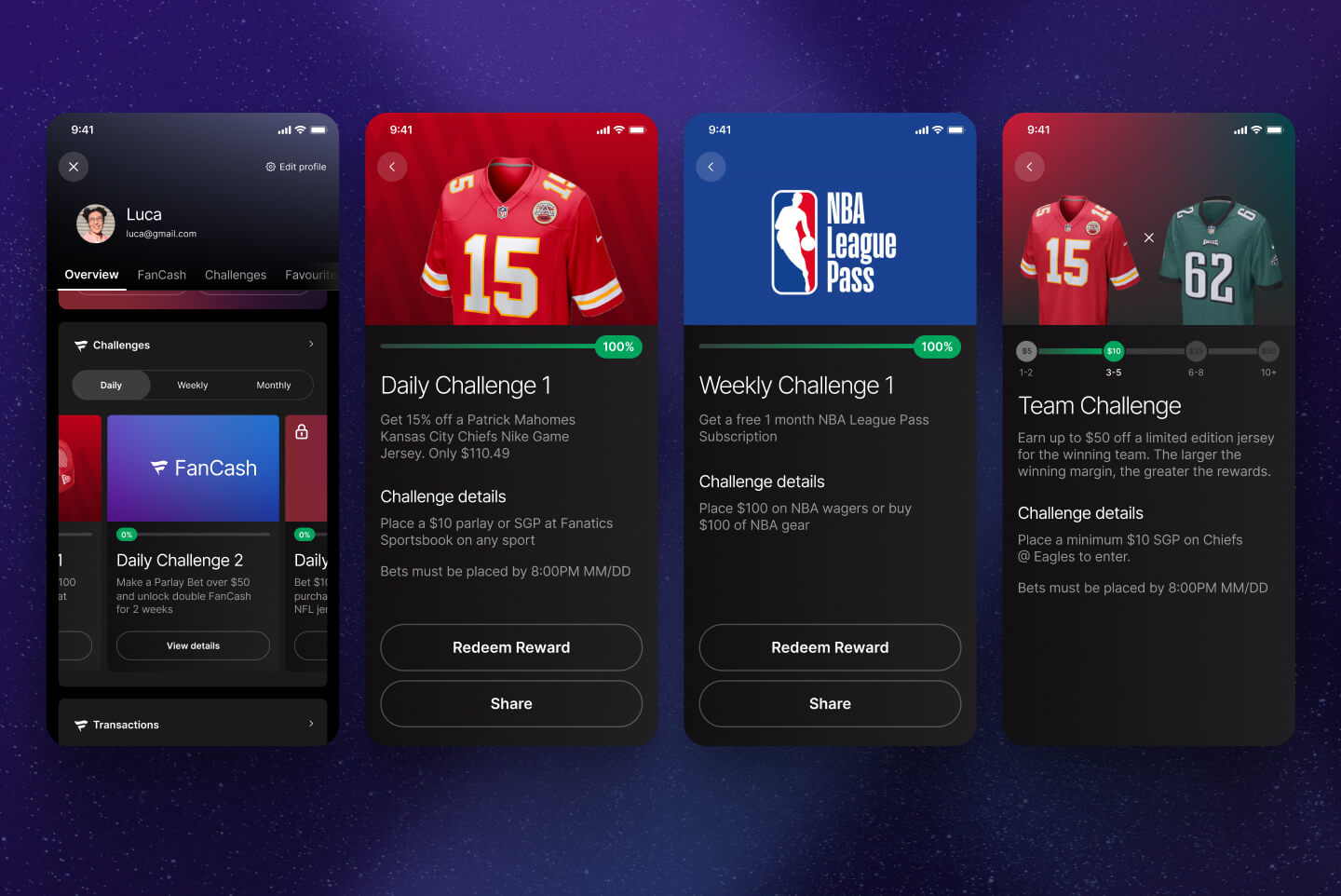
Functionality alone cannot create retention. There must be a mechanism that makes returning feel natural. A trigger, a summary, a challenge, a progress marker. Something that signals that the product improves when revisited. Without a loop, the user depends on intention, and intention is inconsistent.
Products that retain are not always more capable. They are often simply easier to resume.
How to fix a leaky retention curve
Improving retention is not a creative sprint. It is a sequence.
Step one: find the friction
Audit the journeys users perform most often. Measure where intent slows. Map the first five minutes, the first successful outcome, and the path back to that behaviour. Any delay, confusion or additional cognitive effort weakens habit formation.
Step two: give users a reason to return
Once the core loop is clean, it needs a mechanic that encourages repetition. This might be a challenge layer, a personalised timeline, a daily summary, or a progression system. The detail matters less than the behavioural effect. A user should feel that returning is a continuation, not a reset.
Habit does not form from novelty. It forms from frictionless repetition.
Final note for founders and product teams
Retention is not luck. It is not solved by feature expansion or marketing acceleration. It is shaped by clarity, rhythm and ease. Users leave when products require effort to understand or effort to resume. They stay when continuation feels intuitive.
A product becomes part of someone’s life when returning requires less thought than leaving.