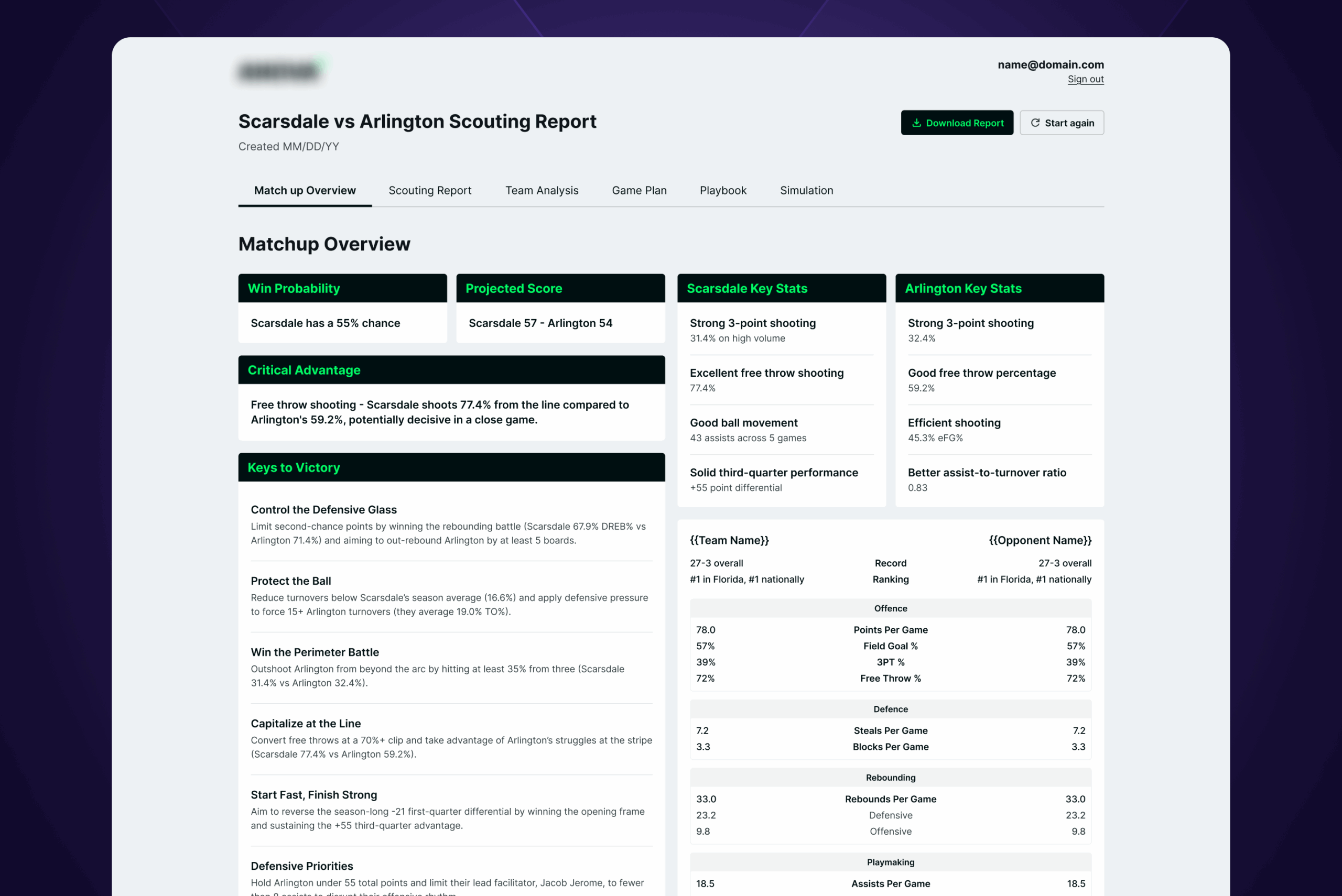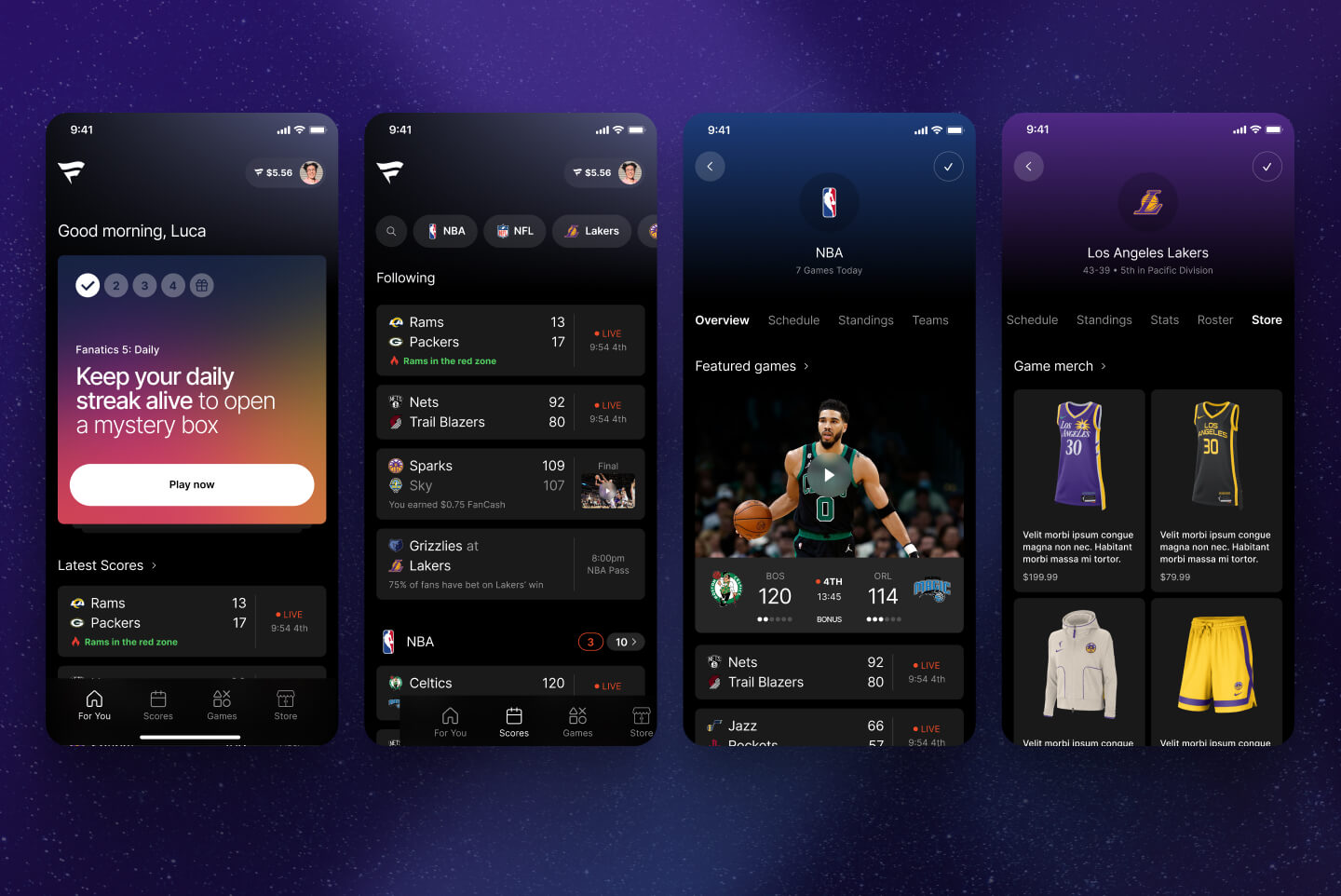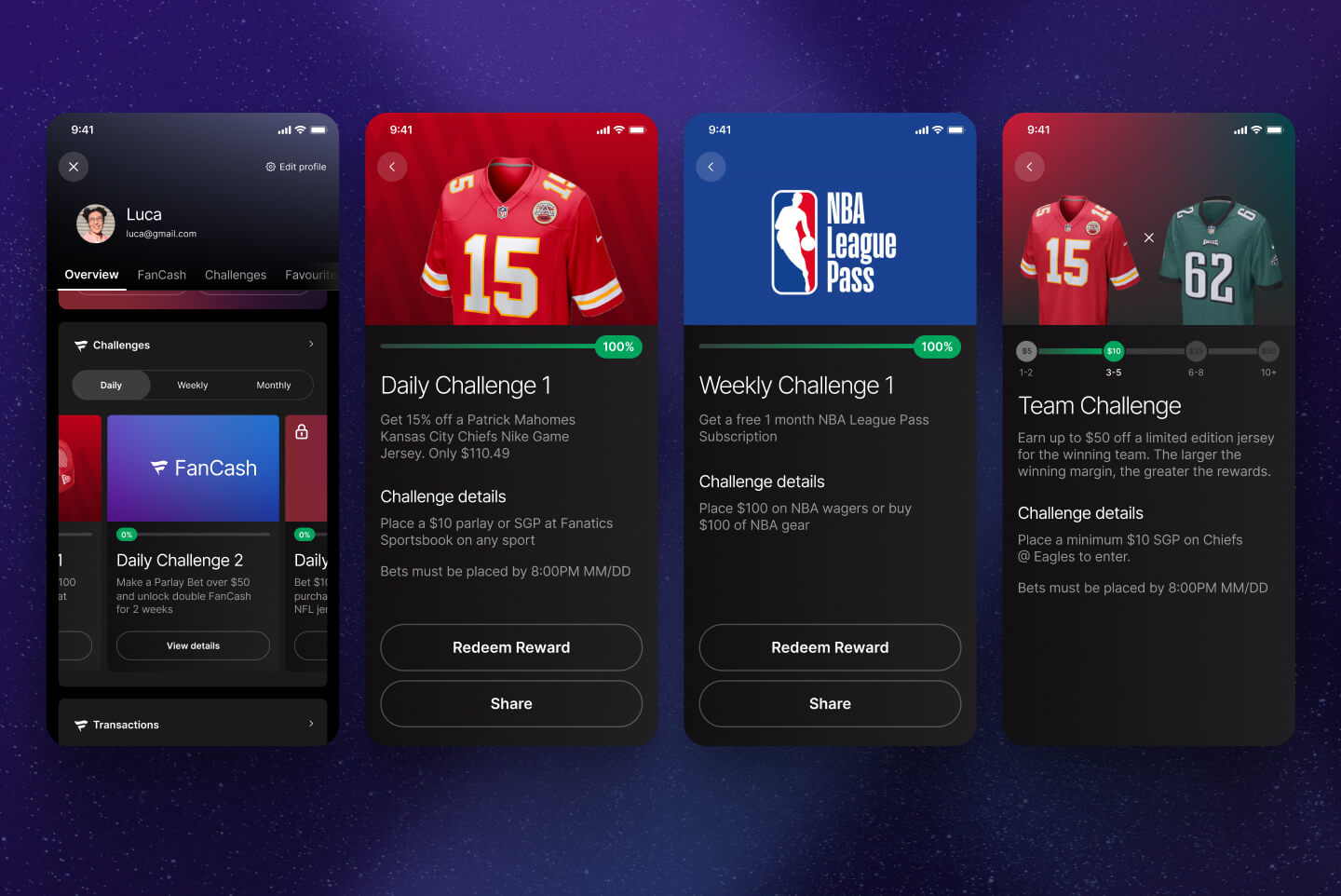

Most sports tech products begin with a clear vision and a long list of possibilities. Founders see everything the product could one day become. Investors, users and partners do not. They only see what exists in front of them today.
The gap between a big idea and a real product is where most early stage companies lose time, money and confidence. They try to build too much, spread their effort across too many use cases, or treat the first version as a partial build of the final thing rather than a focused experiment.
An MVP is supposed to reduce that risk. In practice, the term has been abused. Many teams treat an MVP as a cheap version of the end product or as a short cut to launch. It is neither. A proper MVP is a decision tool. It exists to answer a small number of hard questions as quickly and clearly as possible.
At this stage my role is not to decorate an idea. It is to shape it into something that is understandable, testable and fundable.
What an MVP is actually for
A Minimum Viable Product is not a licence to ship something rough. It is a constraint. It forces a team to decide what matters most, who the product is really for and what needs to be proven first.
Done well, an MVP should:
- Prove there is a specific user with a specific problem
- Demonstrate that your product is the cleanest way to solve it
- Create enough confidence to unlock the next round of investment or development
Everything that does not contribute to those outcomes can wait.
Three principles that keep an MVP honest
Before any screens are designed, these principles are what I align on with founders.
1. One problem, one user, one clean loop
Your vision might contain ten features and three audiences. Your MVP cannot. The first version should focus on a single core use case for a single primary user. That means choosing one problem that is painful enough to be worth solving and then designing one simple loop that solves it in a way that is clearly better than the alternatives.
If the first version tries to do too much, it becomes difficult to understand and impossible to evaluate.
2. Emotional quality, even at minimal scope
Founders sometimes assume that a minimal product can afford to look or feel rough as long as the concept is strong. In reality, this is often the only version that investors, early adopters and partners will ever see.
The experience does not need to be feature rich, but the core path must feel deliberate and confident. A user should be able to move through the main flow and feel that the product is thoughtful, stable and considered. People will forgive missing features. They will not forgive a confusing or clumsy experience.
3. Every decision must support a learning objective
An MVP should be designed like a research instrument. Screens, states and flows exist to test assumptions. Is this problem felt strongly enough. Does this user understand the value quickly enough. Will they pay. Will they return.
If a feature does not help you learn something important about behaviour, demand or pricing, it probably does not belong in the MVP. The output of the first build should be clarity, not just a working app.
My three step MVP design process
The process I use with founders is designed to move from ambiguity to clarity as quickly as possible, without losing depth of thinking.
Step 1: Strategy and discovery
The first step is to get precise about what we are actually building and why. We define the primary user, the single core problem, and the outcome that would count as a win for both user and founder. Together we map the golden path, the ideal journey through the product that demonstrates value in the simplest possible way.
Alongside this, we list the assumptions that sit under the idea. Market demand, pricing, usage frequency, competitive landscape. This becomes the backbone of the MVP, because it tells us what the product needs to reveal.
Step 2: Core loop design and prototyping
Once we are aligned on scope, we move into structure and design. I design the key screens, flows and interaction states that make up the core loop. This is not about decorating a wireframe. It is about building a coherent narrative that a user and an investor can both follow.
The output is a high fidelity, interactive prototype that feels like a real product even before a single line of code is written. It becomes the main tool for user conversations, pitch meetings and internal decision making.
Step 3: Validation and the path to version two
With a working prototype in hand, we can start to observe real reactions. This does not need to be a large scale test. A small number of well chosen conversations are often enough to show where understanding breaks, where value lands and where the product needs to tighten.
I package the findings into a clear set of recommendations, along with the validated designs and a UI toolkit that can support future development. By this point, the founder does not just have a vision. They have a product story that is anchored in evidence and ready for the next stage of funding or build.